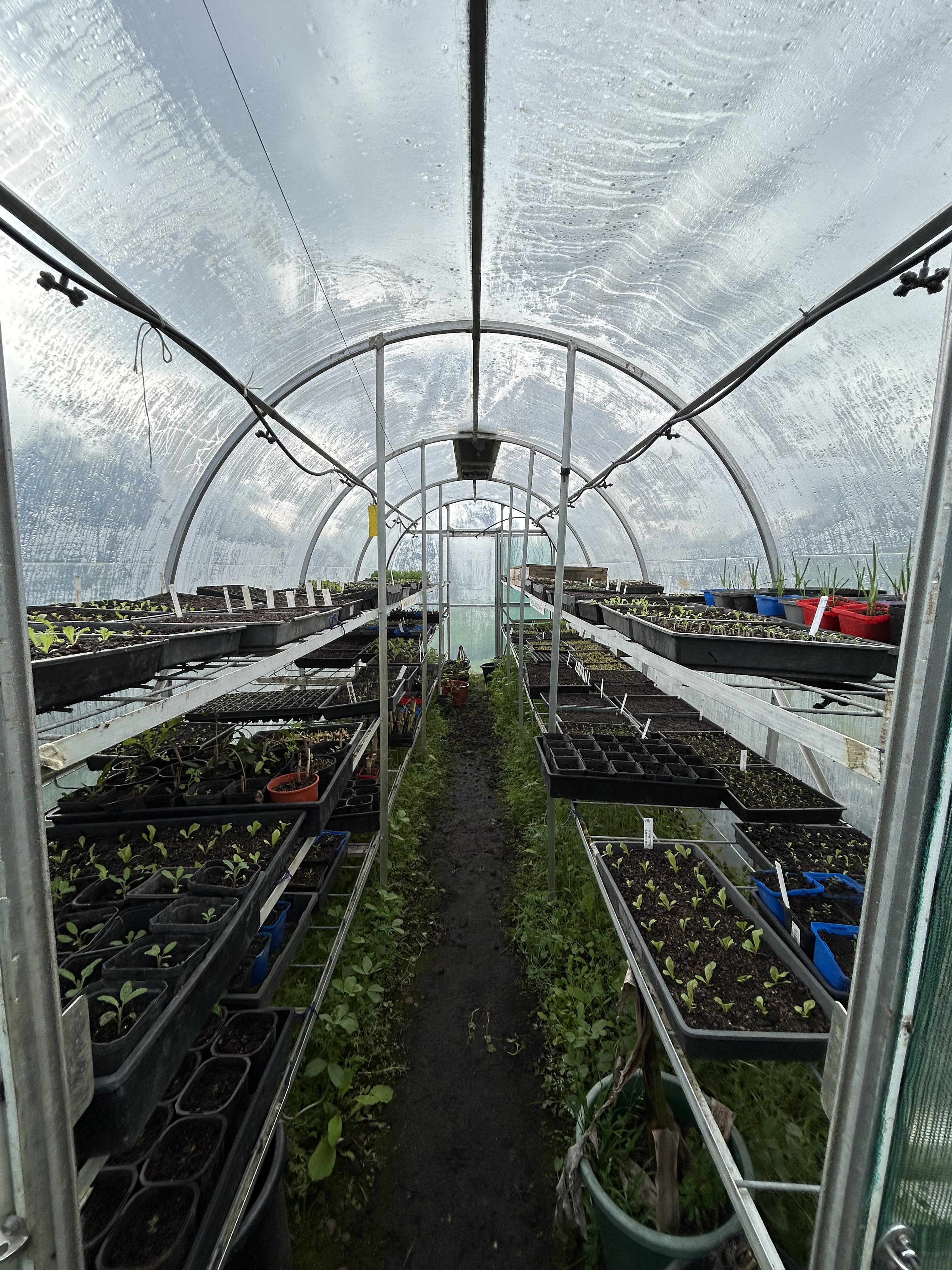
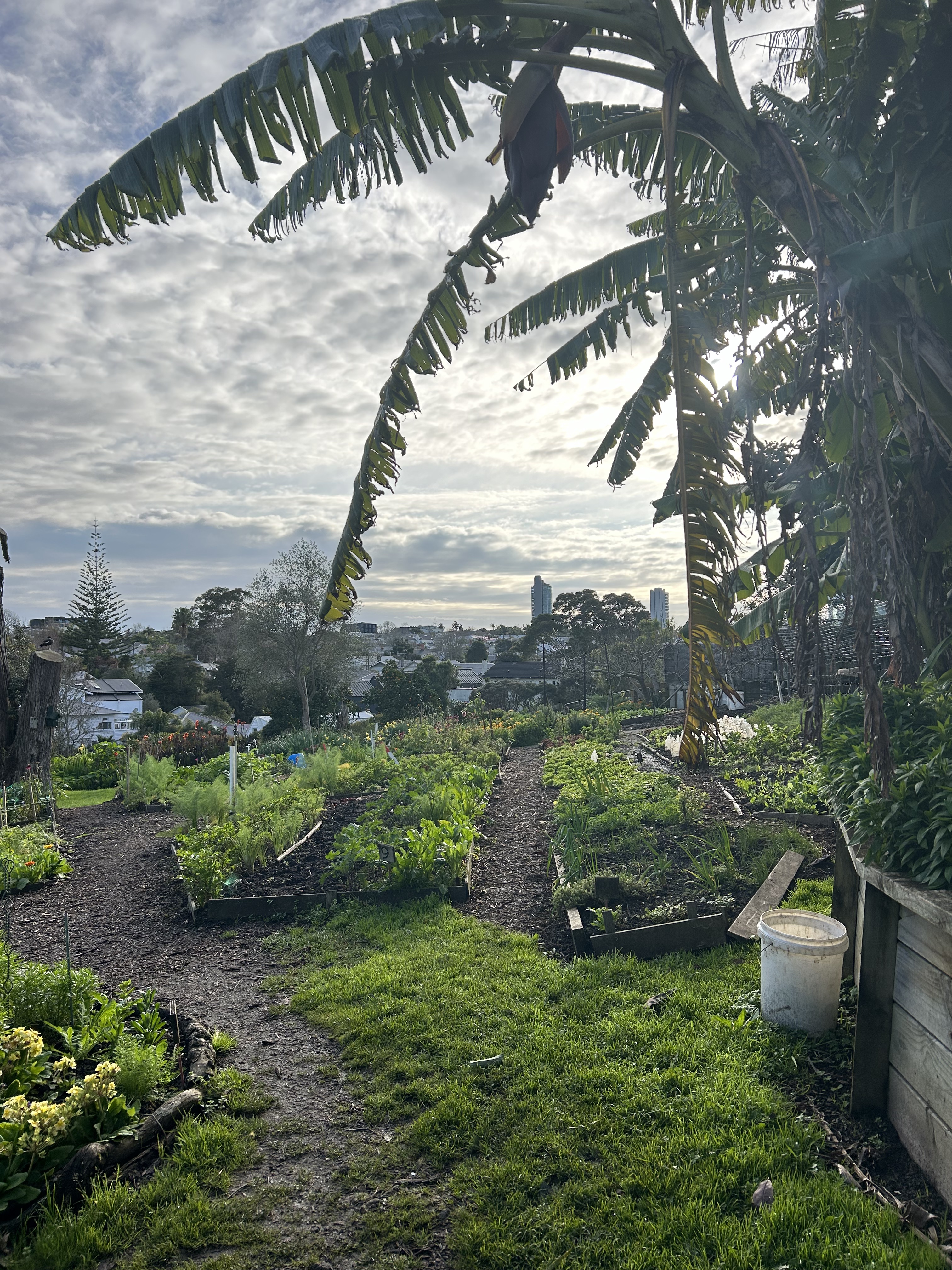
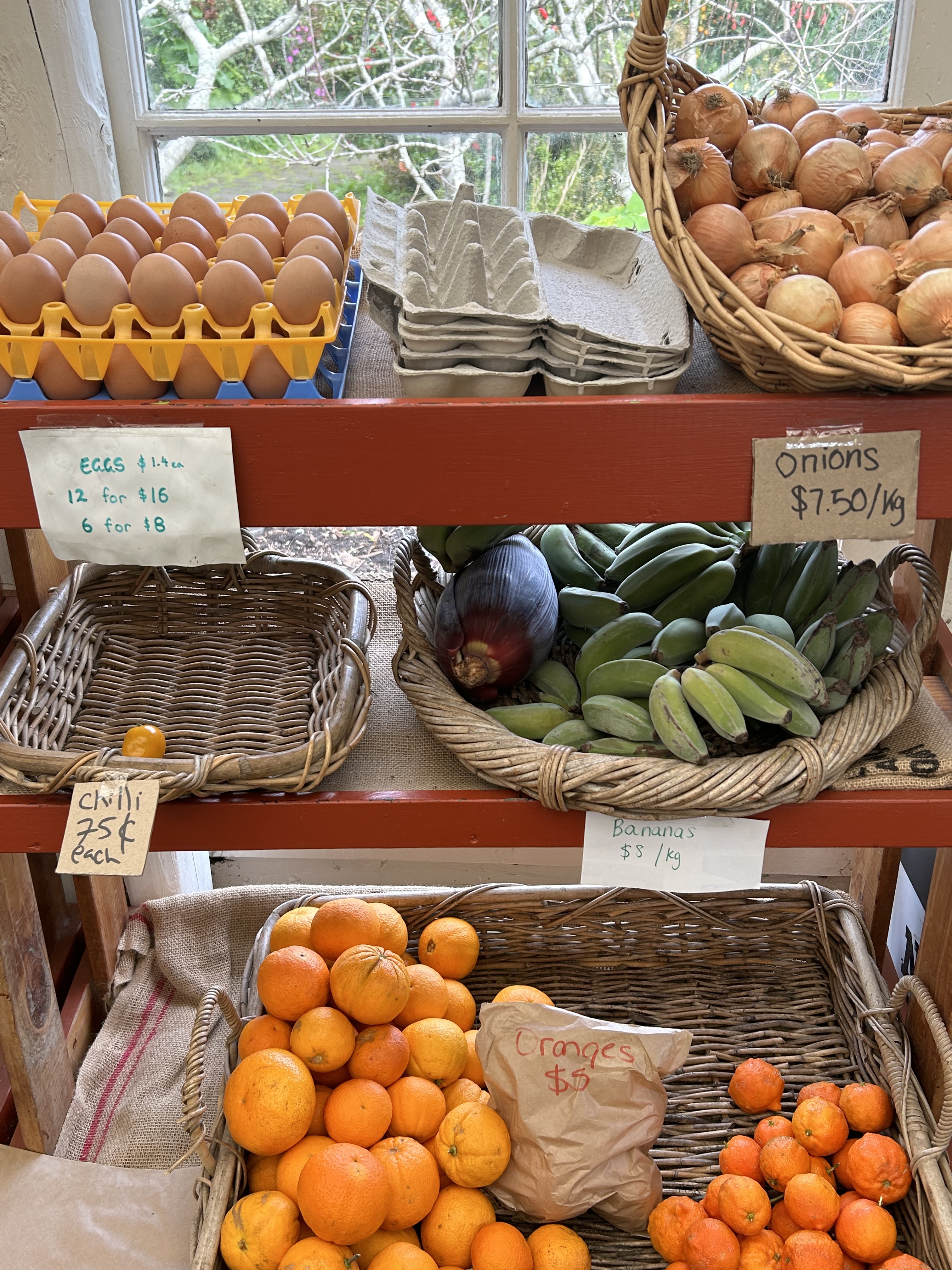
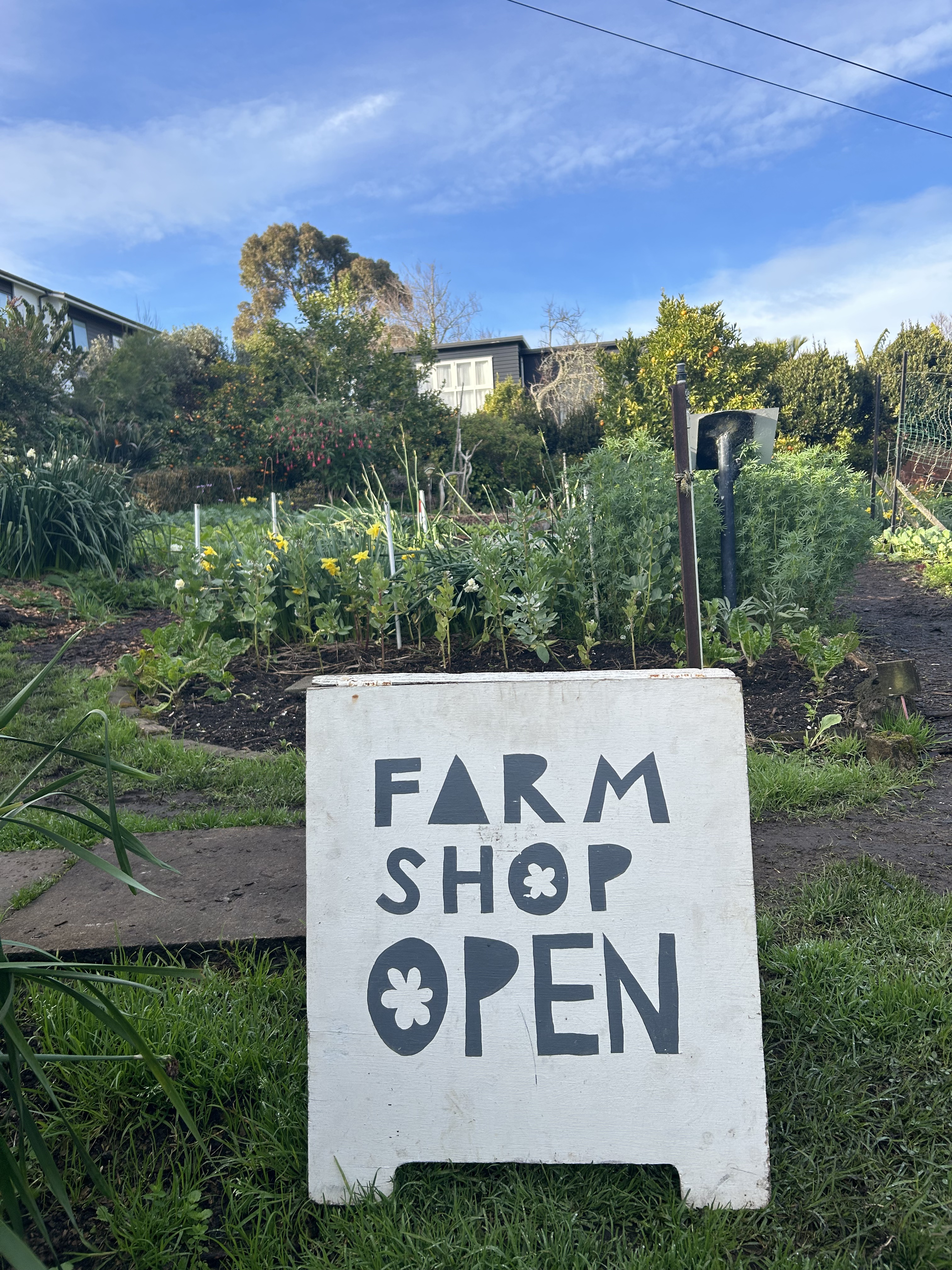
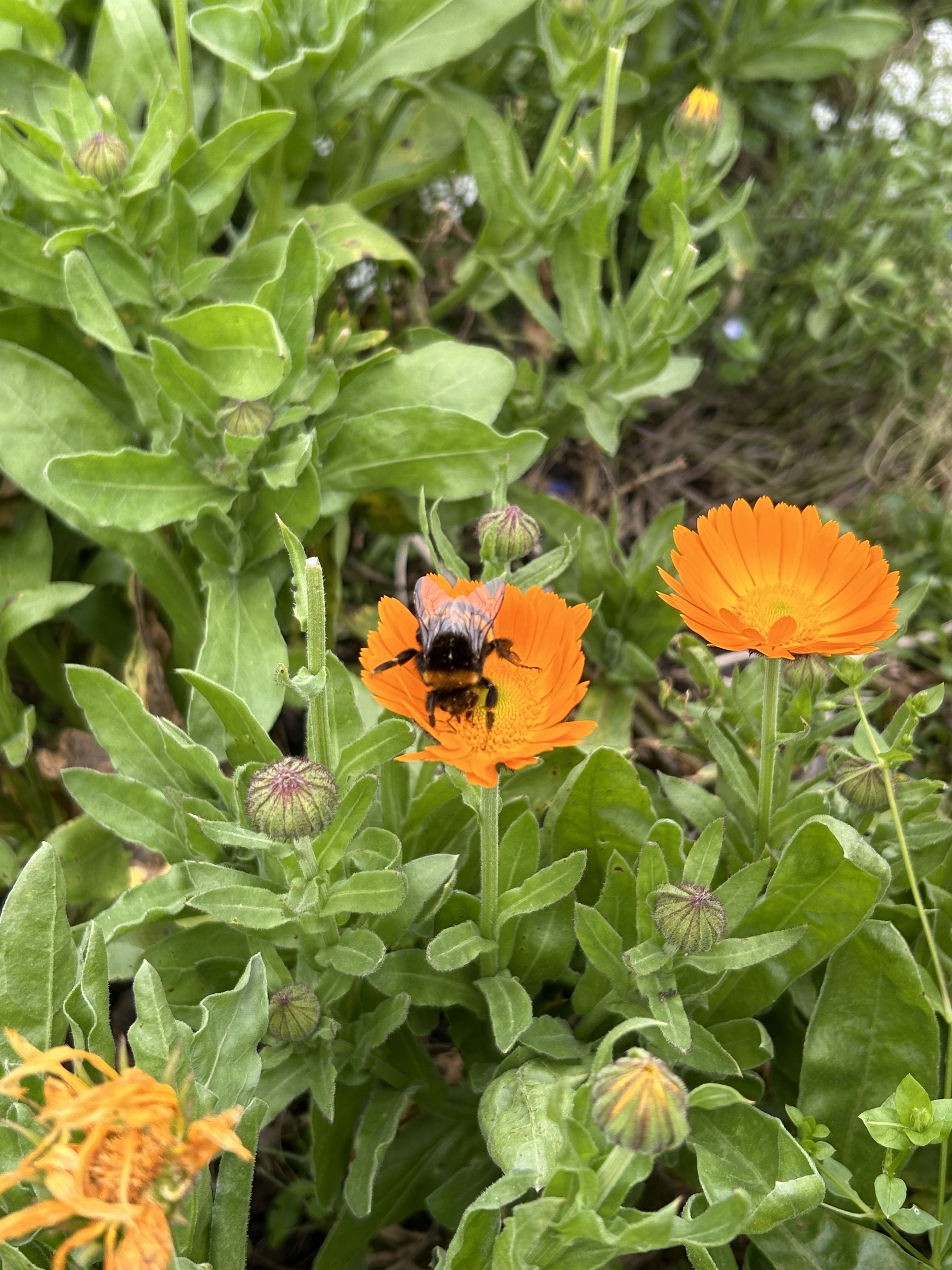
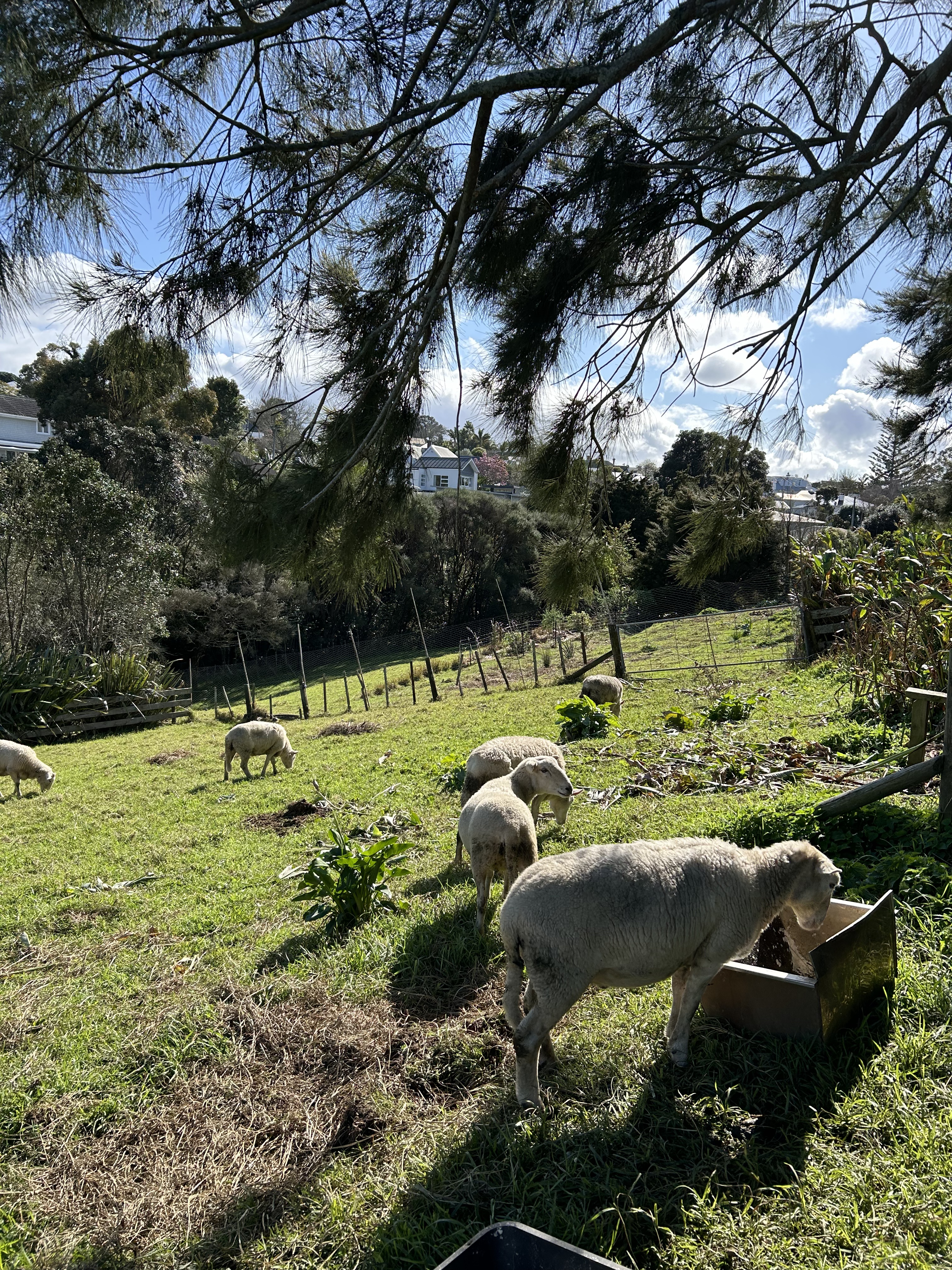
During the first two weeks of my fellowship, I volunteered at Kelmarna Community Farm, a suburban organic farm located in Auckland. On my first morning volunteering, I was amazed by the variety of crops in season, especially for a “winter” climate. The farm grew everything from bananas, oranges, and lemons to kale, various types of lettuce (like salanova and chicory), snow peas, mint, microgreens, potatoes, radishes, carrots, turnips, parsley, lemon verbena, alexander, kumara (sweet potatoes), coriander, broccoli, cabbage, fennel, onions, kohlrabi, and avocados, just to name a few. I was also struck by the many flowers that served as companion plants or edibles for nearby restaurants: sunflowers, calendula, nasturtiums, snapdragons, marigolds, ageratum, daffodils, bird of paradise, and lilies. Additionally, the farm houses chickens and sheep, has an intricate composting process, a farm shop, and a worm farm.
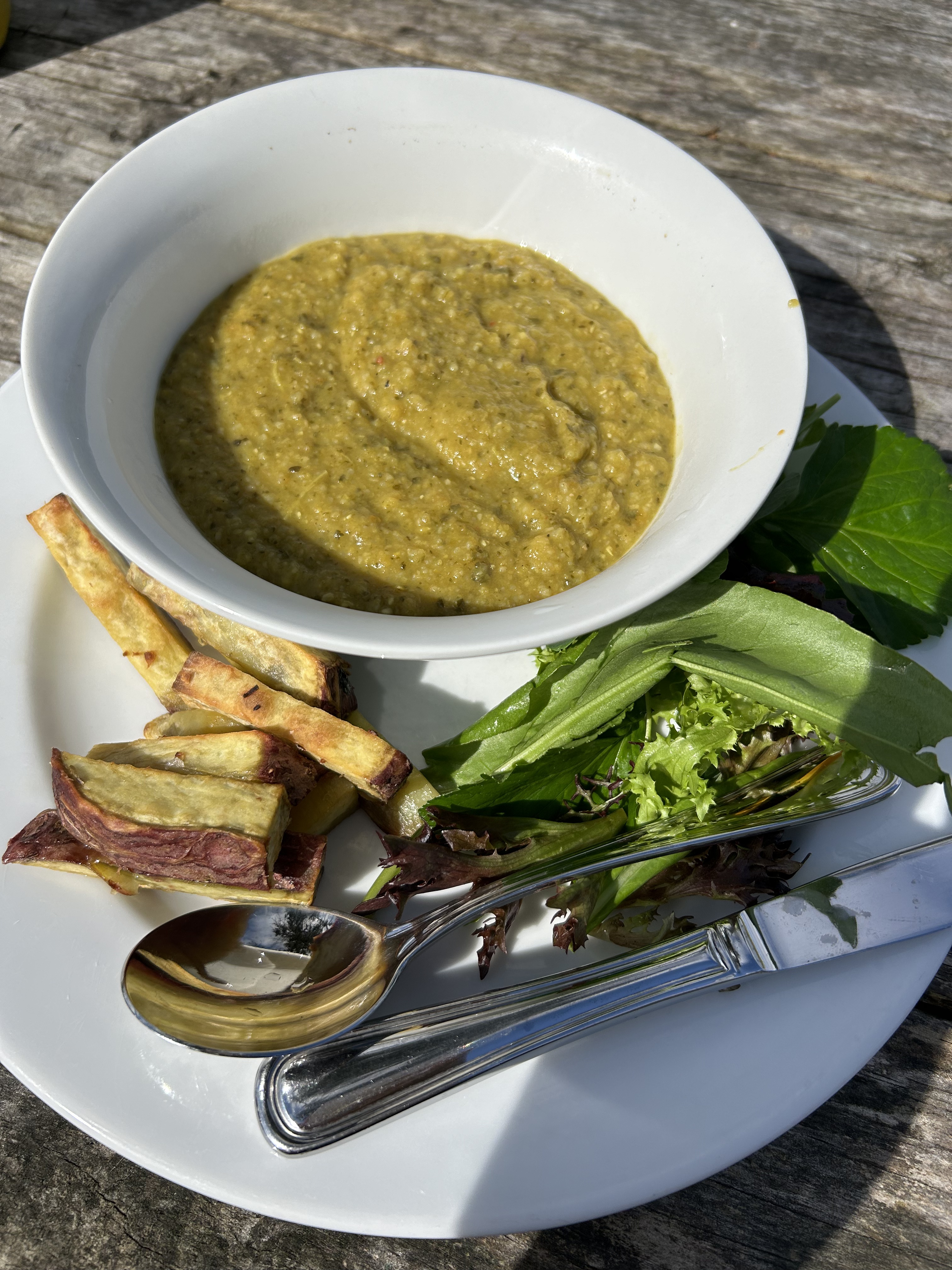
I was immediately greeted with warm welcomes and open arms by the Kelmarna staff and volunteers during my first shift. Two hours into the day, we shared a conversation over herbal tea that warmed our dirt-covered hands. The teapot contained fresh herbs gathered from the garden, such as lemongrass and verbena. Later in the day, we enjoyed a meal prepared by one of the volunteers, using the farm’s abundant crops. Each day, volunteers and staff would gather around the wooden farm table outside to share a meal, taking turns slicing bread and washing dishes. The community aspect of Kelmarna was admirable. Each day, I met people from around the community who shared a passion for gardening for various reasons. One gentleman told me he enjoyed volunteering on Saturdays because he could not connect with the land much during the week due to his desk job. Another university graduate from Auckland mentioned she liked weeding because “everything comes out onto the soil,” noting how weeding helps her process thoughts and feelings.
I was particularly interested in Kelmarna Community Farm because of their Horticultural Therapy program, defined as “the therapeutic use of farming practices for individuals with a defined need”. Adrian, the head of the therapeutic gardening program, shared the history of the program, which dates back to 1992, and explained how it has evolved. The farm was once partnered with a local mental health service but is now run by the community. With that being said, people with mental and physical disabilities still find solace in this communal gardening space. It was inspiring to work alongside therapeutic gardeners for these two weeks and observe how interaction in this shared space serves as a catalyst for social, psychological, and physical improvement and overall well-being.
In the kitchen, I scanned the many books on the shelves, ranging from “Community Gardening in New Zealand” to “Horticulture for the Disabled and Disadvantaged.” One book I picked up, “Nature Heals” by Virginia Field et al., discussed various approaches to nature-based therapy and highlighted Kelmarna Gardens as an integral part of this evolving field.
I not only learned more about nature-based therapy but also discovered the intricate composting process at Kelmarna through their Soil Factory volunteer program on Fridays. With contributions from over 117 households and businesses and nearly 87,000 liters of food scraps collected, the CarbonCycle composting system at Kelmarna is maintained by volunteers and staff. Though the work is demanding, the rewarding nature of seeing waste transform into nourishing soil makes it worthwhile. Additionally, I participated in their Garden Volunteer program, which includes the following principles:
- Gain practical experience in all aspects of organic gardening – seed-raising, sowing, planting, weed management, harvesting, composting, and more
- Assist with caring for animals
- Work alongside like-minded individuals
- Spend time in nature, right in the heart of the city
- Share a hot lunch made from fresh produce from the garden
- Get your hands dirty, have fun, and contribute to the community
Although I have four years of experience in urban gardening, I had much to learn, from harvesting unfamiliar vegetables and herbs to sowing seeds I had never planted. Ruth and Sarah Lilly, two staff members who helped teach volunteers about the farm’s many processes, showed me different methods of seed starting, cloche covering, and plant sowing. The staff’s kindred spirit and love for gardening left a lasting impression on everyone they interacted with, as seen in the relationships built with volunteers, some of whom later became staff members.
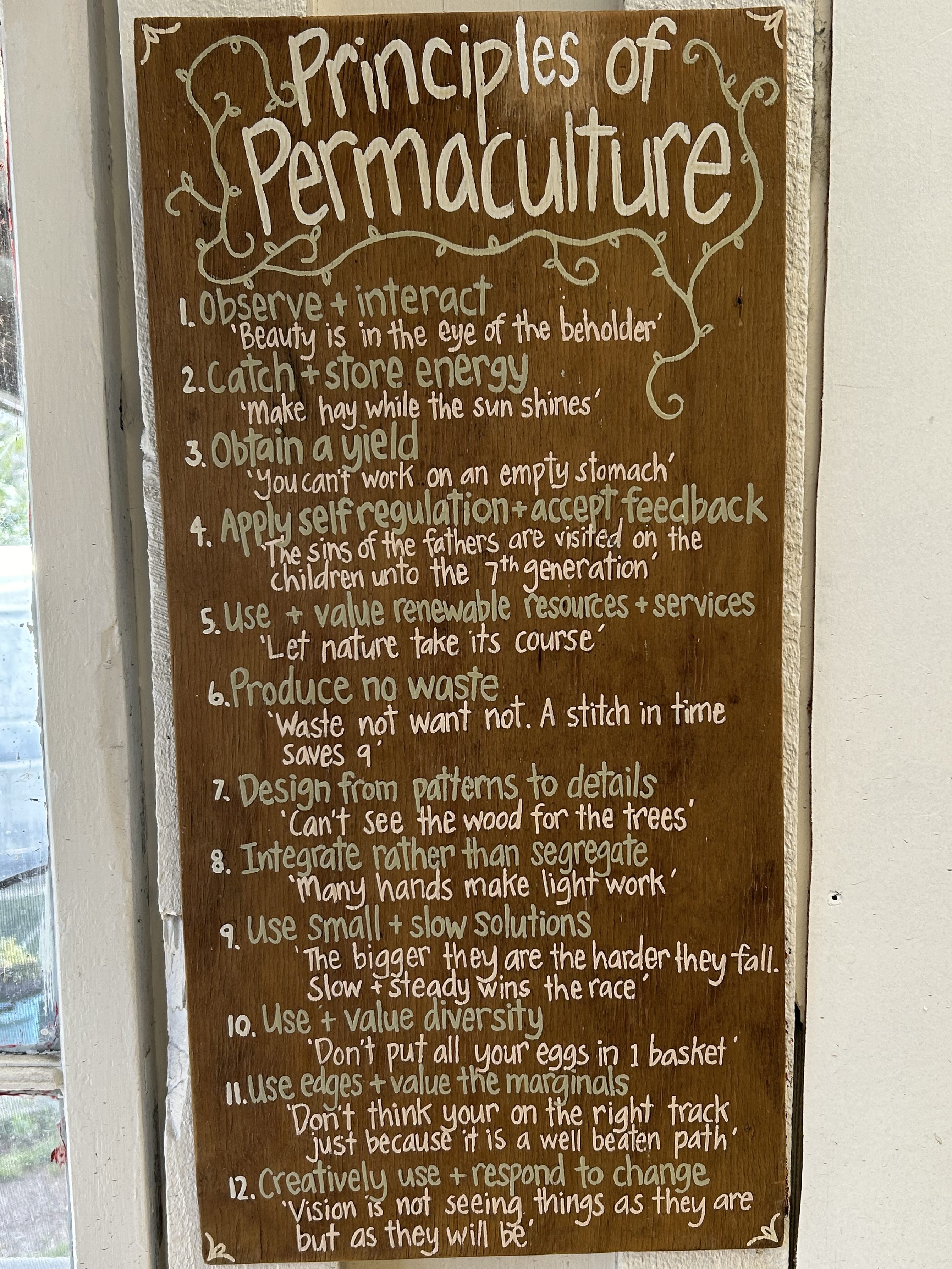
On one of my last days volunteering, Adrian mentioned that an international group of primary students would be visiting Kelmarna. He asked the students who came from various places across China to name ten things that are part of nature to see if they included “humans” in their list. The philosophy of permaculture was another fascinating aspect of volunteering at Kelmarna, focusing on working with nature as part of nature. The principles of permaculture were posted on the wall, serving as a reminder to value diversity within the space.
On my very last day, Sarah Lilly wrote a sweet postcard thanking me for my time at Kelmarna and enthusiasm for gardening. Although I was able to contribute a pair of hands and intermediate knowledge of gardening and farming, there was so much to learn at Kelmarna that I was sad to leave after such a short time. Nevertheless, I will carry the knowledge and friendships gained at Kelmarna Community Farm with me and hope to find like-minded spaces during my fellowship that have as strong an impact as Kelmarna does on the Auckland community.
Find more information about Kelmarna at their website: https://kelmarna.co.nz


 Green Minds Think Alike
Leave a comment